Meth Clean Up Guide For Australian Property Managers
Advice from technicians with more than 30 years in forensic, trauma and biohazard cleaning. If you need help right now, we’re here 24 hours a day.
REC
00/00/0000 00:00:00
Contents
Need help right now?
Talk to a real person, 24/7
Every call is private, with no pressure to commit. We’ll listen and explain your options.
A meth clean up is the specialist removal of methamphetamine residue from a property. The goal is simple. Every tested surface must come back below the national health investigation level before anyone moves in again.
For property managers, the work follows a set order. First comes a screening test, then a detailed assessment, then remediation by a specialist crew. Finally, an independent tester confirms the property is safe and issues a clearance report. Until that report is on file, the property should not be re-let. Let’s break down each stage, who is responsible and what the rules expect of you in each state.
What Is A Meth Clean Up?
Methamphetamine leaves a residue wherever someone smokes it or makes it. The chemical settles onto walls, ceilings, carpets and curtains. It also collects inside exhaust fans and air conditioning ducts. Once the smoke clears, you cannot see the residue or smell it. However, it stays on surfaces for years and transfers to skin through touch.
A meth clean up removes that residue. It is not a vacate clean with stronger chemicals. Instead, it combines removal of contaminated materials with repeated washing of hard surfaces. Testing happens before the work starts and again after it finishes.
Residue levels vary widely. A house where a tenant smoked meth usually carries far lower levels than a former drug laboratory. In fact, research by WA Health found former smoke houses averaged less than 5 micrograms per 100 square centimetres, with hotspots of 10 to 15. Even so, both types of property need professional assessment, because nobody can judge contamination by looking at it.
Why does it matter? According to HealthyWA, people exposed to meth contamination have shown changes in behaviour, trouble sleeping and breathing problems. The risk is highest for young children, pregnant women and the elderly. Queensland Health also lists throat irritation, headaches and skin conditions among the symptoms of exposure to drug laboratory contamination.
What Level Of Residue Is Considered Safe?
Australia’s national Clandestine Drug Laboratory Remediation Guidelines date from 2011. They set a health investigation level for methamphetamine of 0.5 micrograms per 100 square centimetres on residential surfaces. The US Centers for Disease Control and Prevention cites this Australian limit in its report on a family who lived in a former Victorian drug laboratory. In that home, surfaces tested at 11.7 to 26.0 micrograms per 100 square centimetres.
State health departments such as WA Health still refer to this national health investigation level when they assess a property. So, in practice, it is the finish line for every meth clean up. Your clearance report should show each sampled area below it. If any area fails, the crew cleans it again and the tester takes new samples.
When Does A Rental Property Need A Meth Clean Up?
Most property managers find out in one of four ways:
- Police notification. Police may find a drug laboratory and alert health authorities. In WA, for example, the Department of Health refers each case to the local council.
- A failed screening test. Many agencies now test between tenancies, especially after a difficult tenant leaves.
- Warning signs at an inspection. Chemical smells, stained walls, tampered smoke alarms or covered windows all point to a problem.
- A complaint. Neighbours or a new tenant may report symptoms or suspicious activity.
For a full list of warning signs, see our guide on how to tell if your rental property was a meth lab.
If you suspect contamination, keep people out of the property. Do not send in a general cleaner or a maintenance contractor first. A standard clean can carry residue into rooms that were clean before. It also wipes away the evidence an assessor needs to scope the job properly.
Who Is Responsible In A Rental Property?

In short, the owner is responsible. The property manager usually coordinates the work on the owner’s behalf.
In Queensland, the Residential Tenancies Authority says the property manager or owner must ensure the premises are fit to live in. Where a public health order applies, a suitably qualified person assesses the property. The owner then pays any costs of meeting the order’s requirements.
WA takes a similar position. WA Health says owners have a duty of care to make sure the property is safe for sale or renting. It also tells owners to engage qualified environmental professionals rather than standard cleaners. Meanwhile, SA Health aims to have contamination professionally assessed by clan lab assessors, then remediated where required.
As the property manager, your role in a meth clean up usually includes:
- Stopping new tenancies and open inspections until the property is assessed
- Keeping the owner informed in writing at each stage
- Engaging an independent tester as well as a specialist remediation company
- Keeping every test result, scope and clearance report on file
Meth Disclosure Rules By State
Disclosure is where many property managers get caught out. Several states require you to tell prospective tenants about past drug activity at a property. Here is how the main rules compare:
| State | What the rules say | Source |
|---|---|---|
| NSW | Landlords must tell tenants if the property has been used to manufacture or cultivate a prohibited drug or plant in the last two years. | NSW Government |
| Victoria | Rental providers must disclose if, to their knowledge, the property has been used for the trafficking or cultivation of a drug of dependence in the last 5 years. | Consumer Affairs Victoria |
| Western Australia | Previous use as a clan lab is likely to be a material fact. Landlords must carry out the necessary cleaning before leasing. | WA Consumer Protection |
| Queensland | The owner or property manager must ensure the premises are fit to live in. Either party should raise suspected contamination as soon as possible. | Residential Tenancies Authority |
| South Australia | Contamination should be professionally assessed by clan lab assessors, then remediated where required. | SA Health |
Rules in other states and territories differ. Check with your local tenancy authority before you advertise a property with any history of drug activity.
The Meth Clean Up Process Step By Step
Each health department words it slightly differently. However, the process always follows the same broad stages. HealthyWA sums it up as test, remediate, then validate by re-testing before anyone else moves in. Here is how that plays out on a typical job:
- Secure the property. Keep tenants, tradespeople and prospective tenants out until testing is complete.
- Screening test. A tester takes wipe samples from key surfaces to confirm whether residue is present.
- Detailed assessment. A qualified assessor samples each room and records the results. Those results become the scope for the meth clean up.
- Remediation. A specialist crew removes contaminated materials, then washes every hard surface in the affected areas.
- Clearance testing. An independent tester samples the cleaned areas again. The crew re-cleans any area above the level.
- Clearance report. The tester issues a report confirming the property sits below the health investigation level. File it with the property records.
Queensland Health recommends that an accredited laboratory tests the post clean up samples. That way, a laboratory can certify the result rather than relying on a quick field reading.
What Happens During Meth Clean Up Remediation?
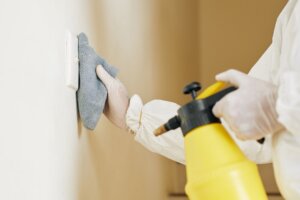
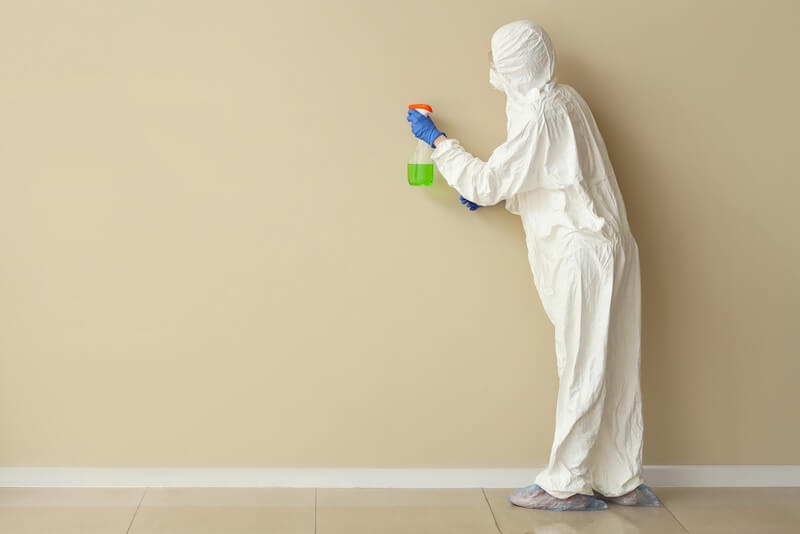
This is the stage where experience matters most. It is the same work behind our meth lab decontamination service. Crews work in full protective equipment, including disposable coveralls, gloves and respirators. Every job starts with the assessor’s results, so the crew knows exactly which rooms and surfaces need attention.
A typical meth clean up covers:
- Removing porous materials. Carpet, underlay, curtains, blinds and mattresses absorb residue. In most cases, removing them is safer than trying to clean them.
- Washing from the top down. Ceilings come first, then walls, then floors. That way, dirty rinse water never runs onto a surface that is already clean.
- Repeat washing. Hard surfaces often need more than one wash with a specialist detergent before they come back below the level.
The crew also pays close attention to the parts of a home that hold residue longest:
- Exhaust fans and rangehoods. These pull smoke through the home, so they often hold some of the highest readings in a smoke house.
- Ducted air conditioning. Return air vents carry residue from room to room. The crew cleans or replaces ducts and filters.
- Hidden surfaces. Light switches, power point covers, door handles and the tops of door frames are easy to miss.
- Painting last. Painting only happens after surfaces pass clearance testing. Painting over residue simply traps it under a fresh coat.
Contaminated waste goes to licensed disposal, not a skip bin at the kerb. In addition, the crew photographs each stage, which helps with insurance claims later. Our earlier piece on why to hire a professional cleaner for meth house decontamination explains the chemical risks in more detail.
Why Testing And Cleaning Should Be Kept Separate
WA Health is clear on one point. WA Health advises that the testing company should be different from the remediation company. That separation protects the owner. Consequently, the person who signs off the property has no financial interest in passing their own work.
A reputable remediation company will welcome this arrangement. So, ask any contractor you are considering how they work with independent testers. Then, make sure the clearance report comes from the tester, not from the crew that did the cleaning.
Questions To Ask A Meth Clean Up Company
Before you engage anyone, ask these questions:
- Will you work from an independent assessor’s results?
- What protective equipment does your crew wear?
- How do you dispose of contaminated materials?
- What happens if an area fails clearance testing?
- Will you provide photos and a written record of the work?
Clear, confident answers are a good sign. On the other hand, a company that offers to test and sign off its own work should raise questions.
Insurance, Records And Re-Letting
Check the landlord insurance policy early. WA Health notes that some policies do not cover drug contamination, so it pays to know what is covered before work begins. Where a policy does cover it, WA Health says the insurer may organise testing and remediation for the owner.
Once the work is finished, keep a complete file. It should include:
- The screening and detailed assessment results
- The remediation scope and completion photos
- Waste disposal records
- The final clearance report
That file protects the owner if a future tenant raises concerns. It also answers questions from buyers if the owner later sells. Above all, only re-let the property once the clearance report is in hand.
Meth Clean Up FAQs
No. Government bodies (like WA Health) tell owners to engage qualified environmental professionals rather than standard cleaners. A vacate clean can also spread residue further through the property.
It depends on the size of the property, the residue levels and how many areas fail clearance testing. A light smoke house job is far quicker than a former drug laboratory. Your remediation company can estimate a timeframe once it has the assessor’s results.
Some policies cover drug contamination while others do not. Check the policy wording, then speak with the insurer before any work starts.
No. The property should stay empty from the first positive test until the clearance report confirms it is safe.
It depends on your state. NSW and Victoria both have specific disclosure rules about past drug activity at a rental property. Check with your state tenancy authority. Keep the clearance report ready to show prospective tenants.
Choose NTCSC For Your Meth Clean Up
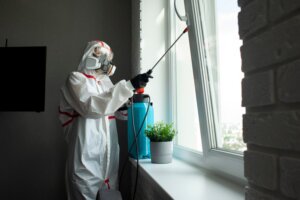
Managing a property affected by meth? The team at National Trauma & Crime Scene Cleaning (NTCSC) provides discreet, professional meth lab decontamination right across Australia. We work with property managers, landlords and real estate agencies. Every job follows the assessor’s scope, so you know exactly what the crew will do and why.
We also understand the pressure of an empty rental. Contact NTCSC today for confidential advice about your meth clean up.
NOTE: Every figure and legal position quoted above is linked to its original source so you can check it yourself. Bear in mind, tenancy laws and health guidelines change regularly. Use what you have read as a starting point rather than the final word on your situation. Confirm important matters with your state tenancy authority or health department, or contact NTCSC for further advice on your property.
We’re here when you need us
Talk to a specialist today
Whatever you’re facing, our technicians can help. Call any time, day or night, anywhere in Australia, and we’ll talk you through the next step.