
BLOG

Signs A Home Has Been Improperly Cleaned After A Biohazard Event
Signs A Home Has Been Improperly Cleaned After A Biohazard Event
Biohazard cleaning is something most homeowners never think about until an incident occurs. Often times, homes only receive a basic surface clean rather than proper decontamination, which can sometimes leave harmful material behind.
Many people assume a property is safe once it looks clean, however unseen contamination can still put occupants at risk. So how can a homeowner tell if a full biohazard cleaning is needed, or if it wasn’t done correctly by a previous cleaner? Let’s take a look at some signs that may indicate your home needs a more thorough biohazard cleaning to restore safety and prevent long term health issues.
Lingering Odours And Discolouration
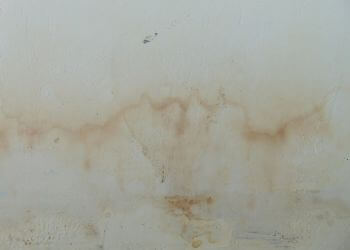
Odours lingering in a home long after a biohazard event are a major red flag. Strong smells often indicate that organic matter still remains somewhere in the building.
People sometimes try to mask smells with fragrances or cleaning sprays. However, that strategy may just hide contamination, rather than effectively remove it.
Stains and discolouration on walls, floors, skirting boards or grout can also indicate unresolved issues. If contamination occurred during a traumatic incident, specialised crime scene cleaning or trauma cleanup is usually required.
Surfaces might look fine immediately after mopping, though stains often return when proper biohazard cleaning methods were not used. When odours reappear within days or weeks, it usually means something was missed the first time.
Residue And Hidden Materials
Residue on surfaces is another sign of incomplete cleaning:
- Soiled areas might appear on tiles, carpet edges, cupboards or structural materials.
- Contaminants often travel beneath flooring, inside walls or through timber framing. Those hidden spaces become sources of harmful bacteria if they are not treated correctly.
- Furniture, appliances and fixtures sometimes hide contamination. Anyone checking only visible areas can miss what really matters.
- Soft furnishings, carpets and mattresses usually need removal rather than spot cleaning. Small bleach patches on fabric indicate that someone tried to treat contamination without removing affected items.
- When clutter or excess items are present, a specialised hoarding cleanup service may be necessary.
Improper Waste Disposal
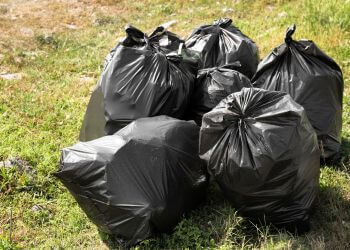
Waste handling is one of the clearest indicators of whether professional biohazard cleaning took place. Contaminated materials must be packaged, transported and disposed of according to strict regulations.
Many cleaners incorrectly throw contaminated waste into general rubbish bins. That practice is unsafe, illegal and a sign of rushed work.
People sometimes notice debris stored in garbage bags around the yard or near bins. Those items should have been removed completely and disposed of through approved channels.
Professional services always document disposal methods. When no paperwork is provided, the job may not have followed legal guidelines.
If needles or sharps were present, homeowners should ensure proper sharps disposal took place.
Unexplained Illness Or Reactions
Health issues can often signal contamination that was never addressed. Here are some examples of symptoms experienced by those living in a contaminated property:
- Occupants might experience headaches, nausea, coughing or skin irritation after returning to a property.
- Pets sometimes act strangely around contaminated areas. Animals often detect smells humans cannot recognise.
- Symptoms may be mistaken for allergies or seasonal issues. However, lingering contamination can release particles into the air and onto surfaces.
- Biohazard cleaning protects people by eliminating pathogens before they spread. Any new symptoms arising after a cleanup deserve attention.
- When mould is suspected, a specialised mould removal service may be required to prevent ongoing illness.
Incorrect Methods Or Equipment Used

When it comes to specialised cleaning, professionals use PPE, disinfectants and containment systems to manage biohazard cleaning correctly. Everyday cleaning products rarely meet required standards, and shouldn’t be the only form of cleaning done following a biohazardous situation.
Basic mops and cloths often spread contaminants rather than safely remove them and fall short of effectively remediating a biohazardous property.
Proper cleaning requires extraction systems, HEPA filtration and industry approved disinfectants. Work areas should be sealed to prevent cross contamination. Transparent explanations, documentation and clear procedures usually accompany professional services.
Anyone noticing everyday cleaning supplies and no protective measures should reasonably question the quality of the work. Homeowners should also seek help whenever they suspect a job was rushed or completed with poor technique.
When To Call A Biohazard Cleaning Professional
Biohazard cleaning is a specialised process designed to eliminate health risks that remain after a biohazardous event.
Reputable biohazard cleaning specialists such as National Trauma (NTCSC) communicate clearly, use correct techniques and follow legal biohazard waste disposal guidelines. Asking questions about certification and procedures helps determine whether work meets industry standards.
Ultimately, professional biohazard cleaning restores safety and peace of mind for occupants. If you happen to suspect the need for a thorough biohazard cleaning, reach out to your local specialist and ask about their service offerings.
Biohazard Cleaning Specialists
Biohazard events create lasting risks that require more than surface cleaning. Lingering odours, stains, residue, unsafe waste disposal and health symptoms are common signs of incomplete work. Recognising these indicators helps people understand when professional intervention is necessary.
If you suspect your property has been improperly cleaned after an incident, the safest step is to speak with qualified professionals. NTCSC provides discreet, compliant and highly specialised biohazard cleaning services across Australia to restore safe living conditions.
Speak to our team anytime 24/7 to discuss how we can help with your specialist biohazard cleaning and remediation needs.