
BLOG

Hoarder Cleanup and Odour Removal: Why Smells Linger After Cleaning
Hoarder Cleanup and Odour Removal: Why Smells Linger After Cleaning
Hoarder cleanup is often expected to solve odour issues once clutter and waste are removed, yet lingering smells frequently tell a different story. Many people assume that when a property looks clean, it should smell clean as well, although odours rarely work that way. Instead of sitting on surfaces, smells sink deep into materials over time, especially in environments where hoarding has occurred for years rather than weeks.
During extended hoarding situations organic waste, food residue, moisture, animal waste and mould release bacteria into the air and surrounding materials. As those contaminants settle, they become embedded in flooring, walls, insulation, cabinetry and even structural timber. Consequently, removing visible mess alone does not remove the source of the smell. Additionally, poor ventilation allows odours to circulate and intensify, spreading into ceiling cavities, soft furnishings and enclosed spaces throughout the property. For that reason, effective hoarder cleanup must address contamination beneath the surface rather than relying on basic cleaning alone.
Common Odour Sources Identified During Hoarder Cleanup
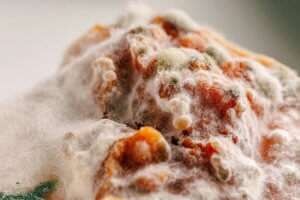
Lingering smells often come from materials that appear clean but remain heavily contaminated beneath the surface. Food waste is a major contributor, as oils and proteins soak into porous materials and continue to break down over time. Similarly, pet urine and faeces create ammonia based odours that remain active long after initial cleaning. Meanwhile, mould thrives in damp hoarded environments and produces musty smells that are difficult to eliminate without specialised treatment.
Decomposing organic matter hidden behind walls, under flooring or inside cupboards often goes unnoticed during early cleanups. Soft furnishings such as carpets, mattresses, lounges and curtains also absorb odours deeply, making them difficult to salvage. In many hoarding cases, pest infestations add another layer of contamination through droppings and nesting materials. Because multiple odour sources usually exist at once, hoarder cleanup requires a methodical approach that identifies every contributing factor rather than addressing only what is immediately visible.
Why Standard Cleaning Methods Often Fall Short
Unfortunately, traditional cleaning methods rarely resolve odour issues linked to hoarding environments. Most household cleaning products focus on surface sanitation or fragrance masking rather than eliminating bacteria at the source. As a result, smells often return once humidity rises or perfumes fade. In contrast, hoarder cleanup situations require products and techniques designed for biohazard level contamination.
Pressure washing or steam cleaning can sometimes worsen odour problems by driving moisture deeper into porous materials. Because moisture reactivates bacteria, odours may become stronger days or weeks after cleaning appears complete. Air fresheners and deodorising sprays provide only temporary relief. Therefore, effective hoarder cleanup focuses on removing contaminated materials where necessary and neutralising odours at a molecular level rather than masking them.
How Professional Hoarder Cleanup Handles Odour Removal Properly

Professional hoarder cleanup services take a structured and thorough approach to odour remediation. Firstly, technicians assess the property to identify all contamination sources, including areas not immediately visible. Next, unsalvageable items are removed to prevent ongoing odour release and health risks. After that stage, deep cleaning is carried out using industrial grade disinfectants designed for biohazard environments.
In many cases, porous surfaces are treated or sealed to prevent residual odours from resurfacing. Specialised air treatment equipment is also used to neutralise odour particles throughout the property.
Because every hoarding situation is different, professional hoarder cleanup plans are tailored to the conditions present rather than applied as a one size fits all solution. As a result, properties are restored to a genuinely liveable state rather than appearing clean while still harbouring contamination.
When Lingering Odours Become A Health Concern
Beyond discomfort, persistent odours often signal ongoing health risks within a hoarded property. Strong smells may indicate mould spores, bacterial growth or biohazard contamination that can affect indoor air quality. Residents may experience respiratory irritation, headaches or allergic reactions if odours remain unaddressed. Vulnerable occupants such as children, elderly individuals or those with respiratory conditions face even higher risks.
Additionally, lingering smells can attract pests or encourage further mould growth if moisture remains present. Because of these risks, hoarder cleanup should be treated as a health and safety priority rather than a cosmetic task. Addressing odour issues early helps prevent further property damage while creating a safer living environment for occupants moving forward.
Restoring Comfort Through Proper Hoarder Cleanup
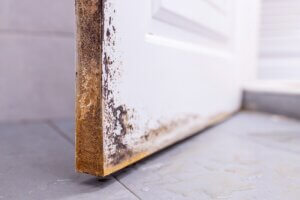
Hoarder cleanup involves far more than removing clutter from a space. Instead, it requires addressing hidden contamination that continues to affect comfort, safety and air quality. Because odours embed deeply into materials, superficial cleaning rarely provides lasting results. However, when hoarder cleanup is approached methodically and professionally, even severe odour problems can be resolved effectively.
By focusing on contamination at its source, properties can be restored to a safe, dignified and liveable condition. Ultimately, proper hoarder cleanup improves both physical environments and offers peace of mind for those affected.
Professional Hoarder Cleanup Support From NTCSC
For anyone facing a hoarding situation, having experienced support can make the process far less overwhelming. National Trauma & Crime Scene Cleaning (NTCSC) provides professional hoarder cleanup services supported by specialist biohazard cleaning expertise, helping address not only visible clutter but also hidden odour and contamination issues.
Our team understands that hoarding environments involve complex health, safety and emotional considerations and we approach every hoarder cleanup with care, discretion and respect.
Rather than focusing on surface level results, NTCSC takes the time to properly assess contamination, identify odour sources and carry out thorough remediation. This approach ensures properties are not just visually improved but genuinely safe and liveable again.
If odours, biohazards or health concerns remain after a hoarding situation, speak to the professionals at NTCSC anytime 24/7 about our hoarder cleanup services.